
THE EUROPEAN COMMITMENT TO QUALITY
Choosing European cheese means choosing a product that has been rigorously monitored from farm to table. European dairy products are the result of a deeply rooted culture of quality, built on strict regulations, transparent processes, and a deep respect for tradition and the environment. The European Union enforces some of the highest standards in the world when it comes to food production, guaranteeing safety, traceability, and authenticity at every stage of the supply chain.
CERTIFIED QUALITY: PDO AND PGI DESIGNATIONS
The European Union protects the names of agricultural products and foodstuffs through geographical indications (GI), which promote the unique characteristics of products linked to their place of origin and traditional know-how. There are Two key certifications under this system:
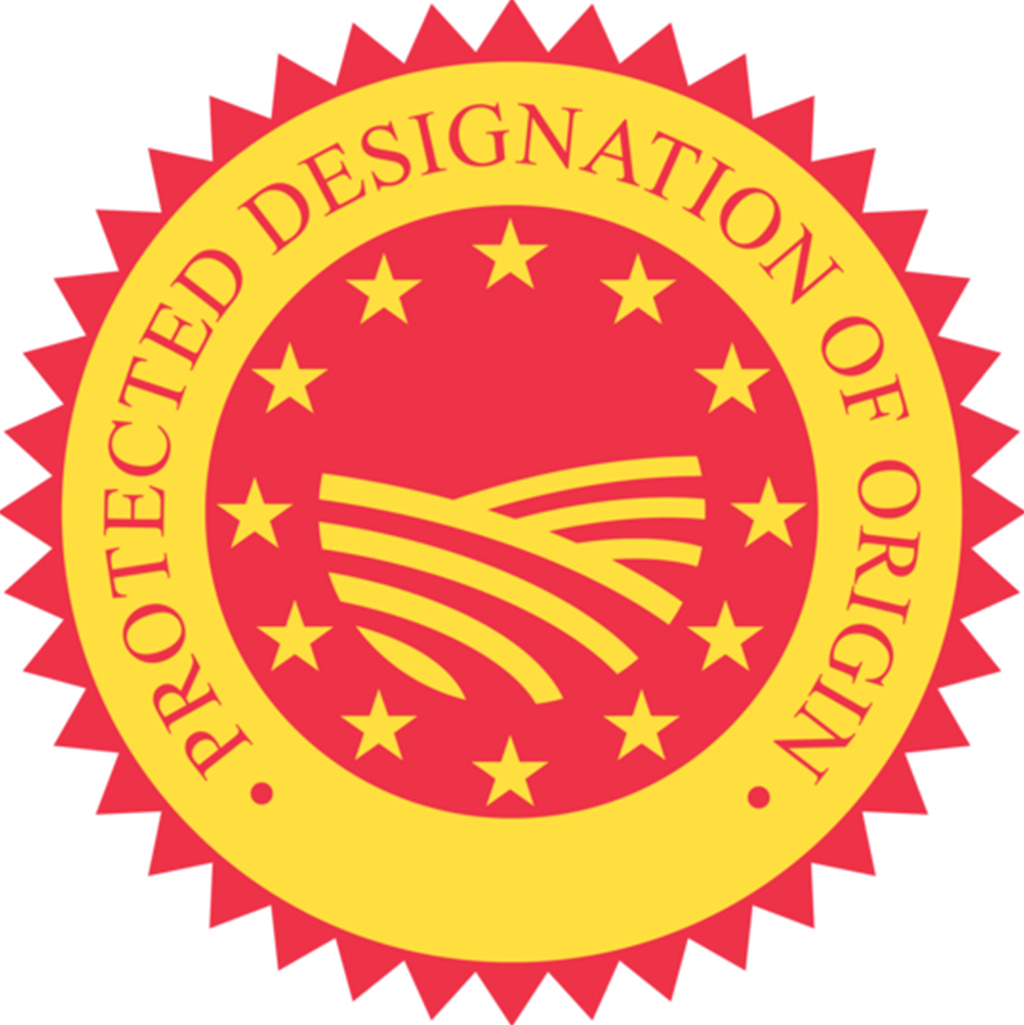
- Protected Designation of Origin (PDO) designates products that have the strongest ties to a specific region. All stages of production, processing, and preparation must occur within the defined area using recognized local techniques and ingredients. This ensures a product with a deeply rooted local identity and consistently high quality.
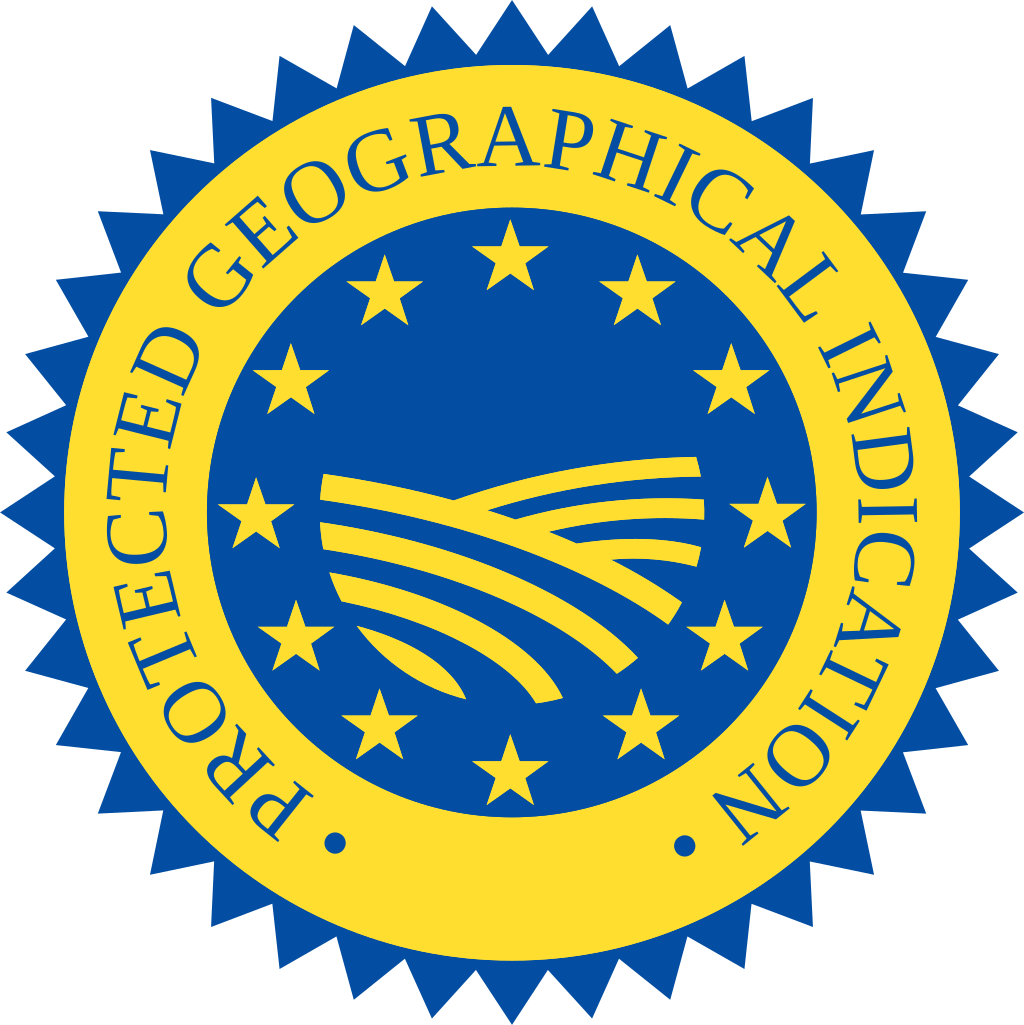
- Protected Geographical Indication (PGI) highlights the connection between a product and its specific geographic area, indicating that a particular quality, reputation, or attribute of the product is fundamentally linked to its place of origin. For most PGI-certified products, at least one phase of production, processing, or preparation must occur within the defined geographic area.
These labels are recognized as forms of intellectual property and help safeguard traditional food heritage while offering consumers transparency and trust. Products bearing PDO and PGI marks must meet detailed specifications and are listed in official EU registers.

FOOD SAFETY AND TRACEABILITY
European food law requires full traceability across the entire production, processing, and distribution chain. Regulation (EC) No. 178/2002 ensures that all food products—including dairy—can be traced back to their origin, making it possible to monitor quality and quickly intervene in case of any issues.
From the identity of the milk producer to the cheese aging facility, every step is recorded and controlled. This comprehensive approach not only protects consumers but also reinforces trust in European agricultural systems.
CLEAR AND HONEST LABELING
In the EU, food labeling is strictly regulated to ensure transparency and consumer safety. Regulation (EU) No. 1169/2011 requires labels on pre-packaged products to be clear, accurate, and not misleading.
Key information must include the product’s name, ingredient list (including allergens and additives), nutritional values, quantity of key ingredients, and the name and address of the EU producer or importer. Origin must be specified when relevant, especially if national symbols appear on the packaging. Some items may also carry warnings for sensitive groups, such as children.
These rules help consumers make informed choices and promote trust in the quality of EU dairy products.
ANIMAL WELFARE AND SUSTAINABILITY
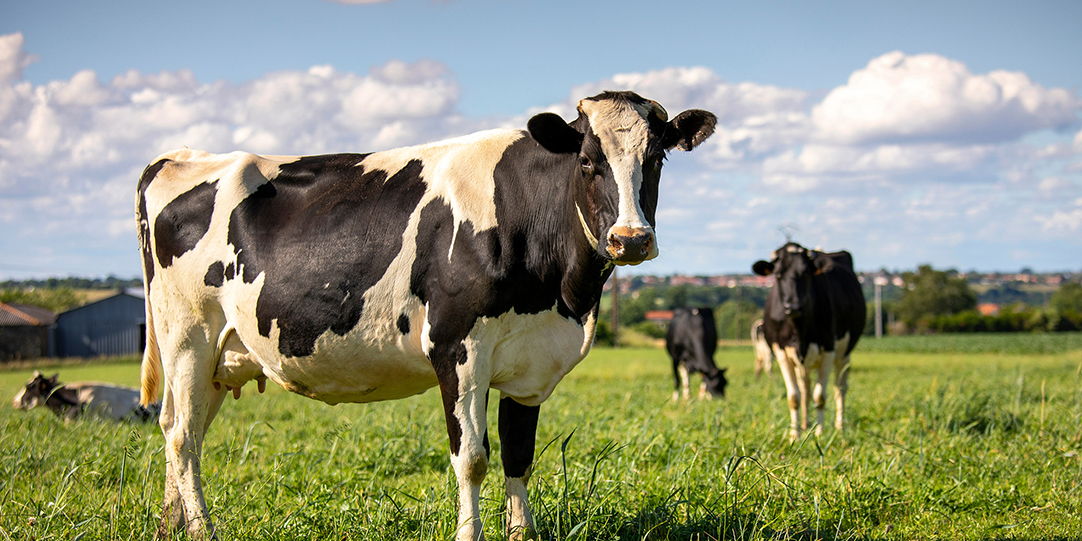
European dairy farmers are committed to responsible and sustainable practices that respect both the environment and animal health. Animal welfare is protected by strict EU guidelines and monitored through on-farm protocols, including improved housing systems, cooling and ventilation, and reduced use of medications.
Sustainability is also a core focus of the Common Agricultural Policy (CAP) and the European Green Deal. Farmers increasingly invest in biogas plants, energy-efficient systems, and waste reduction strategies to lower their environmental impact and reduce greenhouse gas emissions.
A TASTE OF RESPONSIBILITY
Behind every slice of European cheese is a story of tradition, transparency, and care. From the farmers who follow time–honored methods to the cooperatives that support their communities, every link in the chain works to deliver products that are not only delicious but also ethical and sustainable.
European dairy products embody values such as freshness, healthiness, conviviality, and shared enjoyment. They are not just foods—they are ambassadors of a responsible and authentic way of life.